

Orange Silica Gel vs Blue Silica Gel for Moisture Indication

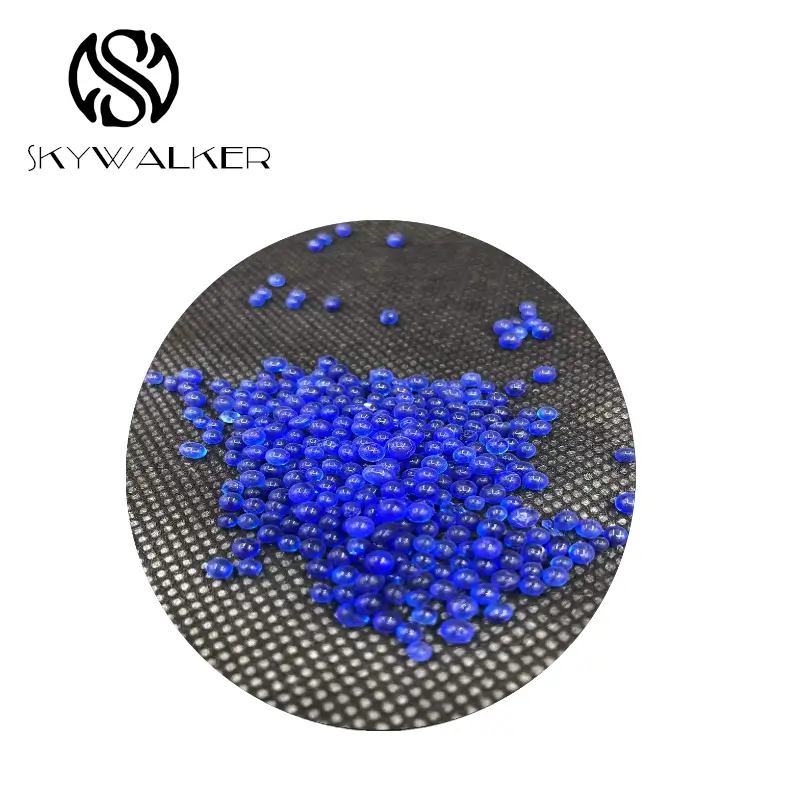
Orange silica gel vs blue silica gel is mainly a question of indication method, handling preference and the buyer's target market.
For a real procurement team, the first checks are application fit, grade direction, equipment condition, packing format and the risk that appears if orange silica gel vs blue silica gel is treated as a generic commodity. SKYWALKER's site gives buyers starting points in electronics packaging, instrument storage, desiccator use, with product routes that include orange silica gel, blue silica gel, cobalt free indicator silica gel.
A packaging distributor may prefer cobalt free orange silica gel for customers who want visual moisture indication without cobalt based color systems.
A maintenance team using mixed silica gel may still need clear regeneration rules so operators do not discard media too early.
Comparing orange silica gel vs blue silica gel options before ordering
| Option or detail | Best-fit situation | Buyer should confirm |
|---|---|---|
| orange silica gel | electronics packaging | cobalt-free requirement |
| blue silica gel | instrument storage | particle size |
| cobalt free indicator silica gel | desiccator use | color change visibility |
| white silica gel | spare parts protection | regeneration plan |
A comparison table is useful only if the buyer fills it with real operating information. For orange silica gel vs blue silica gel, the most useful request normally includes product name, target application, current problem, expected packing and the first trial quantity.
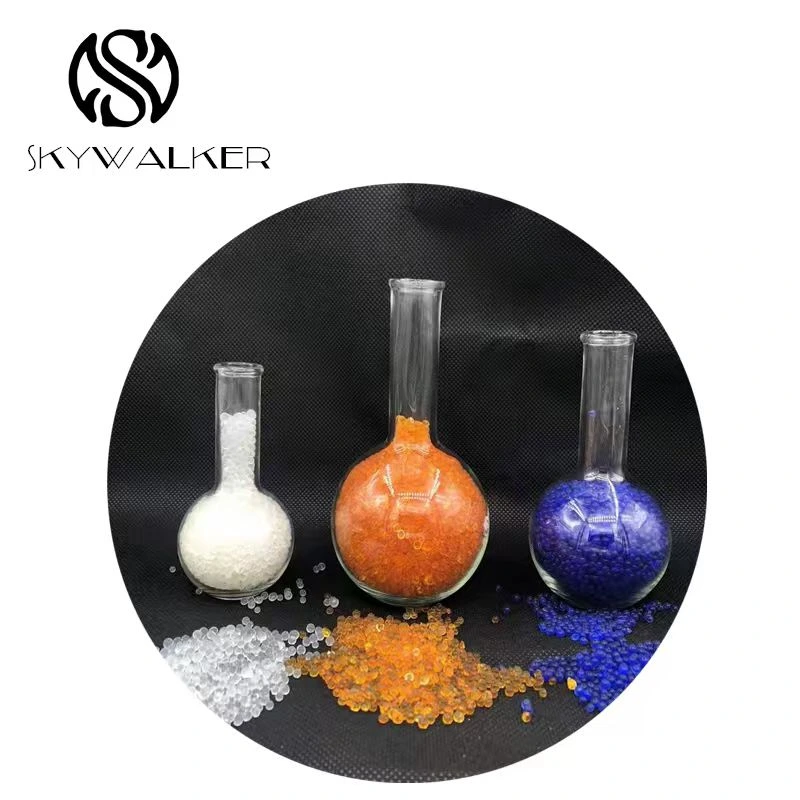
orange silica gel vs blue silica gel in buyer scenarios
Scenario 1: electronics packaging with stability pressure
In electronics packaging, the buyer usually wants the same result from batch to batch. That means cobalt-free requirement, particle size and color change visibility need to be discussed together, because a product that looks acceptable in a small test can behave differently when the order moves to routine production.
Scenario 2: instrument storage with supplier change risk
When a plant changes supplier for instrument storage, it should not switch every variable at once. Keep equipment settings, feed condition and operator method stable while testing blue silica gel or cobalt free indicator silica gel; otherwise the buyer cannot tell whether the result came from the material or the process.
Scenario 3: distributor stock for desiccator use
A distributor stocking for desiccator use has a different problem from a single plant. The distributor needs clear labels, stable packaging, repeatable grade names, and enough product explanation to avoid selling white silica gel into the wrong service.
Where orange silica gel vs blue silica gel fits in real procurement
orange silica gel vs blue silica gel is a useful topic for buyers who already know the process problem: the buyer should check color change behavior, particle size, dust control, packaging format and whether the material is used alone or blended with white silica gel. The best starting point is to match the use case to the site's actual product families rather than to order by a short product label.
orange silica gel for electronics packaging
orange silica gel is the first option to review when the buyer's process involves electronics packaging. The buyer should ask how the grade behaves under the liquid, gas or cargo condition, how it is packed, and whether the order size matches trial, distributor stock or routine production.
blue silica gel and cobalt free indicator silica gel in selection
blue silica gel and cobalt free indicator silica gel should be compared by application behavior, not by name alone. In practice, the same product family can serve different plants only when the buyer checks operating conditions, target result and handling limits.
When orange silica gel vs blue silica gel is not the right shortcut
not suitable when the buyer only needs non-indicating moisture absorption and does not require visual status. In that case, the safer decision is to share the process condition, request a sample or compare a neighboring product family before placing a large order.
Mistakes to avoid when buying orange silica gel vs blue silica gel
- Comparing only the unit price while ignoring dosage, flow, adsorption result, moisture load or product loss.
- Treating orange silica gel and blue silica gel as interchangeable without testing the actual application.
- Ordering a full shipment before the sample condition matches the buyer's equipment or cargo route.
- Using certificates as decoration instead of checking whether the document applies to the exact product family.
- Forgetting that packaging can damage performance if moisture, dust, broken bags or unclear labels appear before use.
The strongest purchase decision is usually a conservative one: test the relevant grade, record the operating result, then scale the order only after color change visibility and regeneration plan are stable.
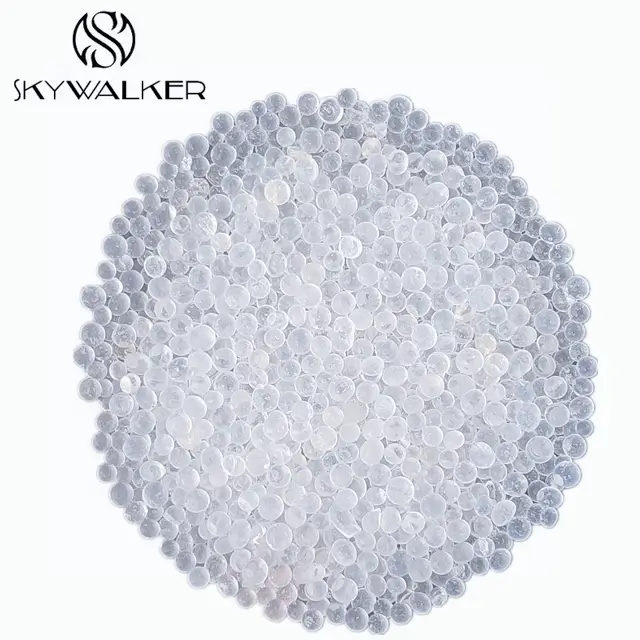
Quality, packing and delivery checks for orange silica gel vs blue silica gel
Quality control should be tied to the product's role. For orange silica gel, a buyer may care about cobalt-free requirement and particle size; for cobalt free indicator silica gel, the more important checks may be color change visibility, regeneration plan and how the material is protected during storage.
The site shows laboratory, production, packaging and logistics material, so the useful procurement request should ask for grade confirmation, sample discussion, document requirements, packing method and expected shipment plan. Certificates or documents should be requested only when they match the product family and destination market.
Packing notes tied to the product
Packing should protect the working property of the material. Filter aids and bleaching earth need dry, strong bags; desiccants need package integrity; silica gel needs sealed storage; molecular sieve and activated alumina need protection from moisture before the bed is loaded.
What to send before a quotation comparison
- Target application: electronics packaging, instrument storage, desiccator use.
- Product direction: orange silica gel, blue silica gel, cobalt free indicator silica gel, white silica gel.
- Process or cargo condition related to cobalt-free requirement and particle size.
- Trial quantity, routine order size and preferred packing.
- Required documents, labels, destination port and shipment timing.
Product navigation for orange silica gel vs blue silica gel buyers
Start with these site sections: Industrial Mineral Products, Industrial Mineral Applications, Silica Gel Products, Silica Gel 60 Chromatography Material, Orange Silica Gel.
Related reading and product references: Cobalt Free Indicator Silica Gel, Industrial Mineral Materials Supplier.
FAQ about orange silica gel vs blue silica gel
Which details matter most for orange silica gel vs blue silica gel?
The most useful details are application, current problem, target result, trial quantity, packing format and the process condition connected to cobalt-free requirement, particle size and color change visibility.
Can one grade cover every electronics packaging project?
No. Even within electronics packaging, feed condition, equipment, operator method and final target can change the best choice. A buyer should compare the relevant SYKOL grade under realistic conditions.
What is a practical first order approach?
Start with a sample or controlled trial, confirm the result against the buyer's acceptance points, then move to bulk packing only after the team understands handling, storage and shipment needs.
A final purchase review should ask whether orange silica gel is being selected for a first trial, a repeat order or a distributor stock program. The answer changes how much emphasis should be placed on sample size, carton marking, warehouse storage and shipment documents.
For electronics packaging and instrument storage, keep a written comparison of the test condition. Include feed quality, equipment type, dosage or loading amount, operator observations and the reason a grade was accepted or rejected.
When the project uses multiple SYKOL product families, do not merge all questions into one message. Separate filter aid, bleaching earth, desiccant, silica gel, activated alumina and molecular sieve requirements so each material is judged by the correct performance target.
If the buyer is a wholesaler, the best stock plan is usually a small group of repeatable grades plus one or two specialty materials. That is safer than carrying many similar items with no clear difference in customer use.
Sample evaluation should be narrow enough to be useful. For orange silica gel vs blue silica gel, a buyer can record the starting material condition, the amount used, the time in service, the visible result and the reason the sample passes or fails. A short written record makes the next shipment easier to confirm.
Packing should be discussed early because blue silica gel may need a different bag, sachet, carton or pallet plan from white silica gel. Export buyers should confirm whether the material will be stored before use, loaded directly into production, or divided by a distributor.
Quality discussions should stay connected to the user's process. A buyer working with desiccator use may care more about color change visibility, while a buyer working with spare parts protection may care more about regeneration plan. Those differences should appear in the purchase notes.
When comparing offers, ask each supplier to quote the same product direction, packing unit, quantity, destination and document set. Without the same basis, the buyer may be comparing a trial pack of orange silica gel against a bulk shipment of cobalt free indicator silica gel.
Routine orders should keep a simple incoming check. Confirm product name, batch or label, bag condition, visible moisture exposure, and whether the material still matches the previous accepted sample. This is especially important when the product will be stocked for several months before use.
Application mistakes are easier to prevent before shipment than after delivery. If the buyer is unsure whether regeneration by controlled heating belongs in the same project as orange silica gel, the safer approach is to separate the requirement and ask for a product-by-product recommendation.
Project teams should also decide who will approve the material: purchasing, production, laboratory, maintenance or distributor sales. Each team looks at orange silica gel vs blue silica gel differently, so the final purchase note should translate product details into the acceptance point each team understands.
For a first shipment, keep the acceptance range realistic. The buyer can approve orange silica gel for one line or cargo type, then hold a second review before applying the same material to desiccator use or spare parts protection. This prevents one successful trial from being overextended.
Storage conditions can change the result before the material reaches the process. Bags, cartons or drums should stay dry, clearly labeled and separated from incompatible cargo. If a product is moisture-sensitive, the receiving team should avoid opening more packages than the shift can use.
Procurement should also ask how the material will be handled after use. Filter aids create a spent cake, bleaching earth carries adsorbed oil components, desiccants may be saturated after shipment, and molecular sieve or activated alumina may require replacement or regeneration planning.
Distributors should prepare short internal notes for sales staff. The note can say which buyers use orange silica gel, when blue silica gel is the better starting point, and which applications should be sent back for technical review instead of being quoted from stock.
A buyer comparing old and new supply should keep one reference sample from the accepted batch. When the next order arrives, the warehouse can compare label, color, particle appearance, dust, bag condition and document set before the material reaches production.
If the purchase involves repeated exports, carton and pallet consistency matters almost as much as the material name. Clear marks help the warehouse separate trial packs from routine cargo and keep orange silica gel vs blue silica gel away from products intended for a different customer or application.
Practical purchase advice for orange silica gel vs blue silica gel
The sensible way to buy orange silica gel vs blue silica gel is to describe the application first, then select the material. A buyer who explains electronics packaging, instrument storage, target result, packing preference and trial plan will get a better recommendation than a buyer who asks for a general grade with no operating context.
If the project involves more than one process, separate the requirements: filtration products such as SYKOL Diatomite, oil adsorbents such as SYKOL 377FF – T 41, moisture-control materials such as SYKOL 16A Montmorillonite, silica products such as silica gel desiccant, and gas adsorbents such as granular activated alumina each solve a different problem.